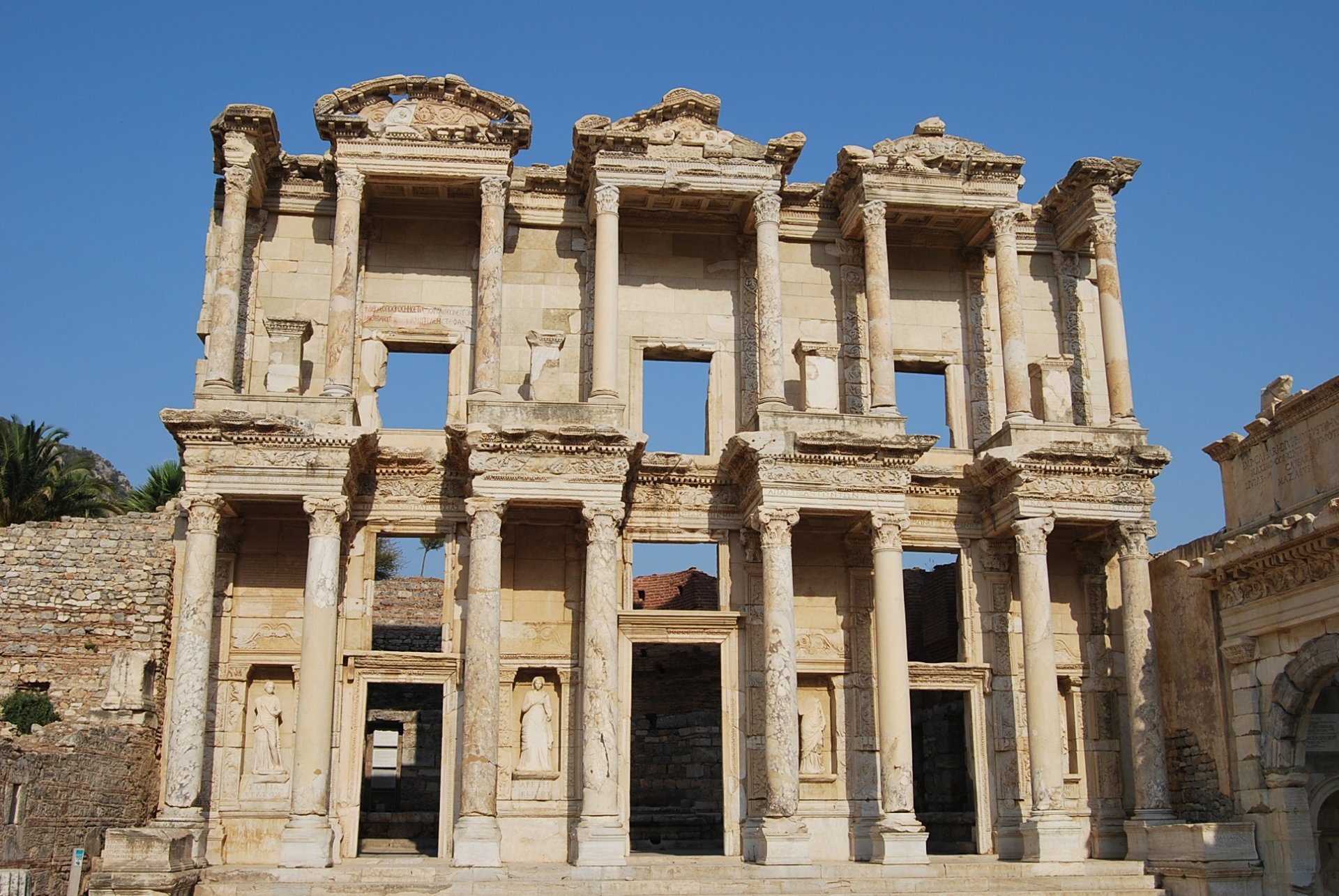
 The Ancient City of Ephesus
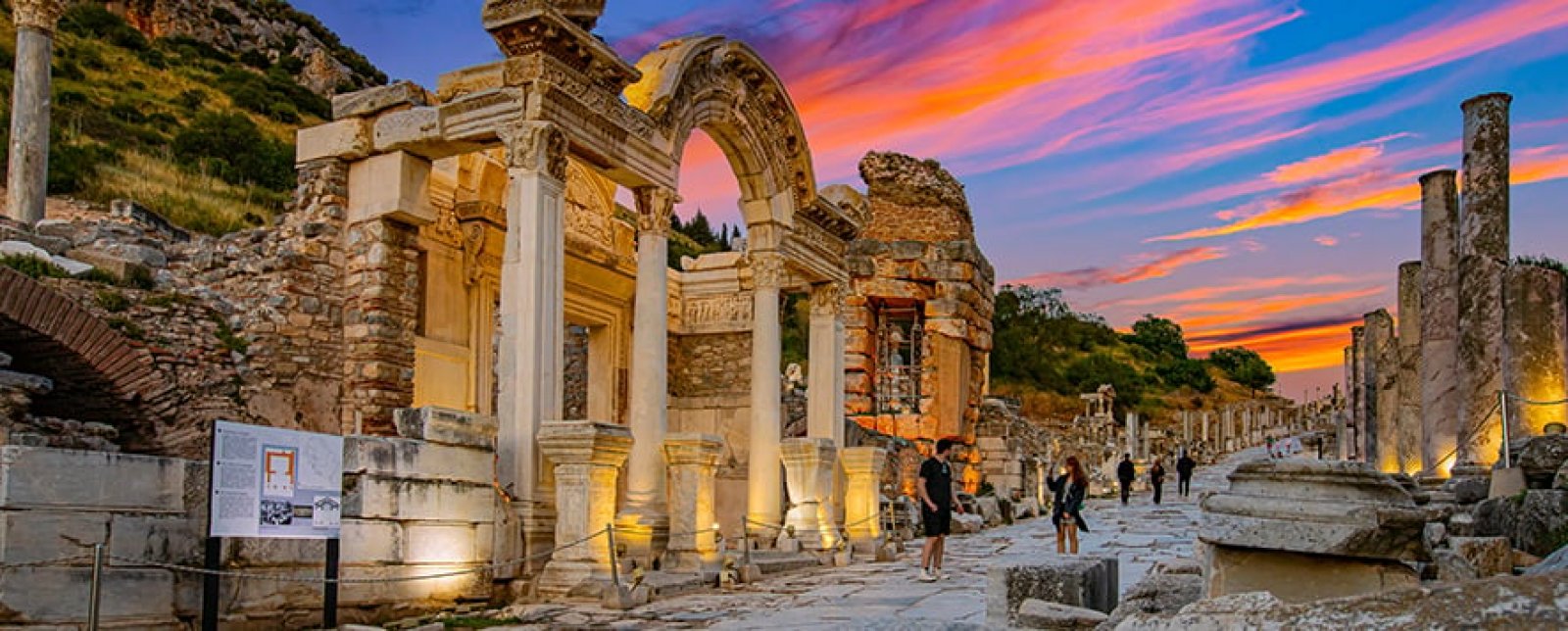
Located in Selçuk, Ephesus is included on the UNESCO World Heritage List. As one of the most important centers of the ancient world, Ephesus saw uninterrupted settlement for about 9,000 years starting from the prehistoric period through the Hellenistic, Roman, Byzantine (Eastern Roman), Beyliks, and Ottoman periods. It served as a vital port city and a major cultural and commercial center at every stage of its history. The House of the Virgin Mary, Ayasuluk Hill, the Basilica of Saint Jean, and Çukuriçi Mound, all located in the same region, must also be visited.
 Smyrna Agora / Agora Open Air Museum
Discover the Agora Archaeological Site, nestled in the heart of Izmir's vibrant Kemeraltı district! Once the bustling city center of ancient Smyrna—stretching from Kemeraltı to the historic Kadifekale—this spectacular site was the hub of administrative, social, cultural, and religious life during the Hellenistic and Roman eras. Most of the breathtaking ruins you see today date back to the 2nd century A.D. Rooted in history, the word "Agora" translates to "city square, bazaar, or marketplace." Built over three impressive levels close to the city center following the famous Hippodamian grid plan, it stands proudly today as the largest and best-preserved Ionian agora in the world.
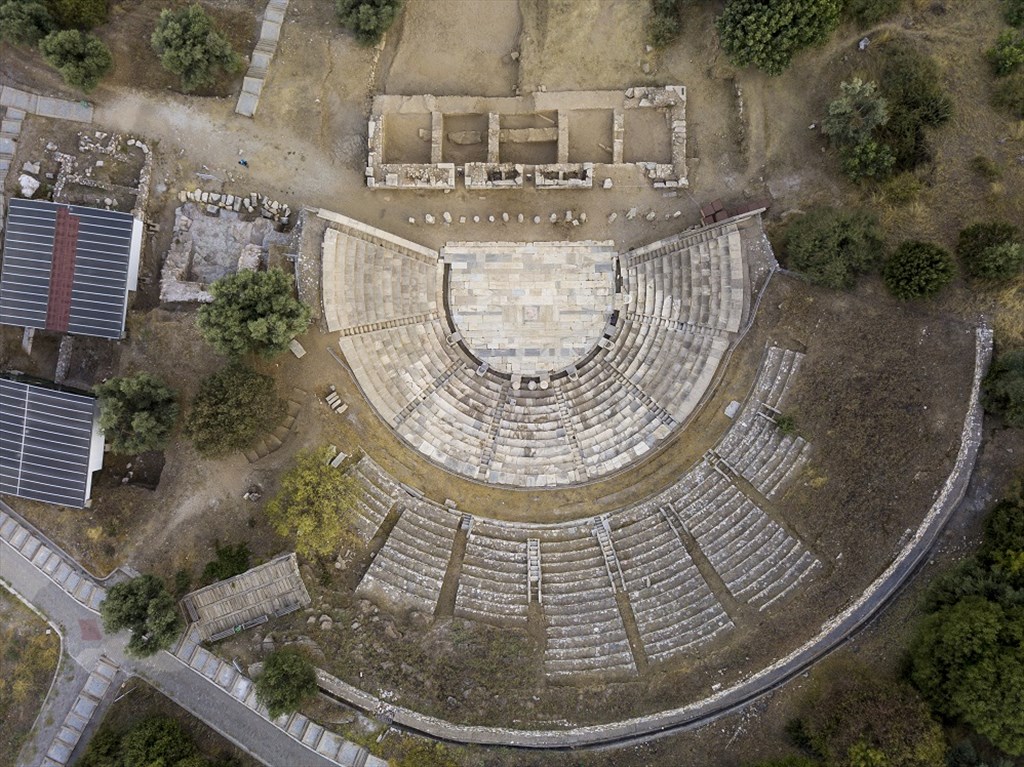 Metropolis Ancient City
Discover Metropolis: The City of the Mother Goddess
Tucked away between the charming villages of Yeniköy and Özbey in İzmir’s Torbalı district, the Ancient City of Metropolis awaits you. Leaning against the dramatic slopes of Mount Gallesion, this ancient site honors the mother goddess Meter Gallesia. It is a place where history comes alive with roots stretching all the way back to the Neolithic Stone Age in nearby Tepeköy, Dedecik, and Kuşçuburun.
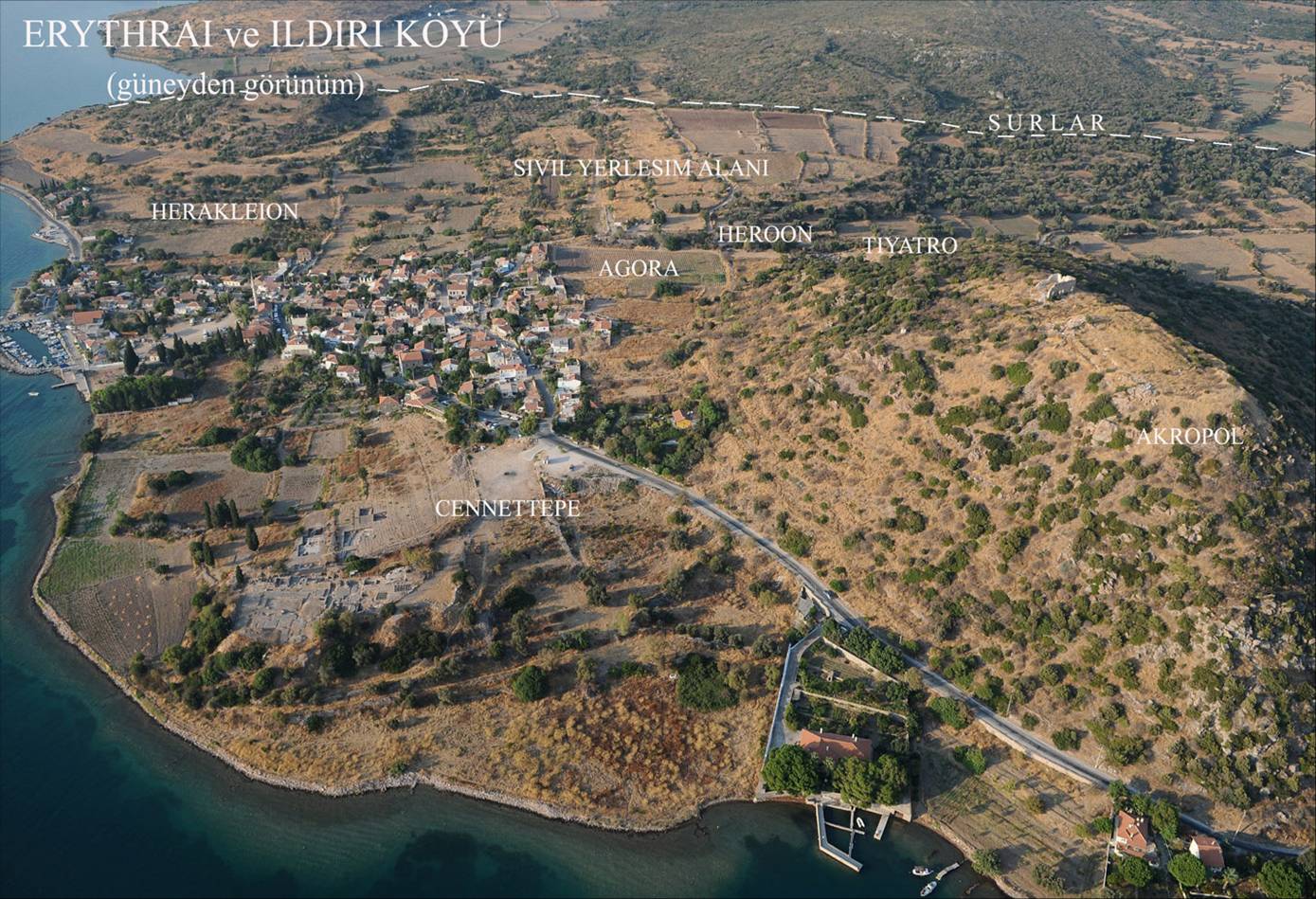 Ancient City of Erythrai
Discover Erythrai, the ancient soul of Ildırı Village, nestled just 20 km northeast of Çeşme. Archaeological discoveries reveal that this captivating site has been continuously inhabited since the Early Bronze Age, with flourishing settlements spanning from the 8th century BC to the 4th century BC. As you explore, you will find rich artifacts proving the city's influential role in the socio-political shifts of ancient Ionia—a vibrant history that echoes through its remarkable Hellenistic and Roman ruins.
 Ancient City of Klazomenai
Discover the Ancient City of Klazomenai in Urla, one of the legendary 12 Ionian cities. Sprawling from Limantepe to the foothills of Ayyıldız and Cankurtaran hills, its ruins even extend onto Karantina Island. Klazomenai is also home to a historic milestone: its excavated olive oil workshop proves that modern olive oil production technology was developed right here for the first time in the world, 2,600 years ago.
 Ancient City of Teos
Located just a short stroll from the coastal town of Sığacık, the ancient seaside city of Teos served as the capital of Northern Ionia up until 3,000 years ago. Legend has it that the city was founded by Athamas, the son of Dionysus. In antiquity, Teos was a major powerhouse of architecture and commerce. It also carved its name into history as a sanctuary for culture; when artists were expelled from the Ionian League for allegedly causing unrest, Teos welcomed them with open arms, becoming the birthplace of the world’s very first Artists' Guild. Today, ancient olive and terebinth trees stand as living monuments across the landscape. Among them is the iconic, 2,000-year-old Ancient Teos Olive Tree—the true symbol of the city. It stands as living proof that this unique heritage was developed right here in this region, for the first time in the world.
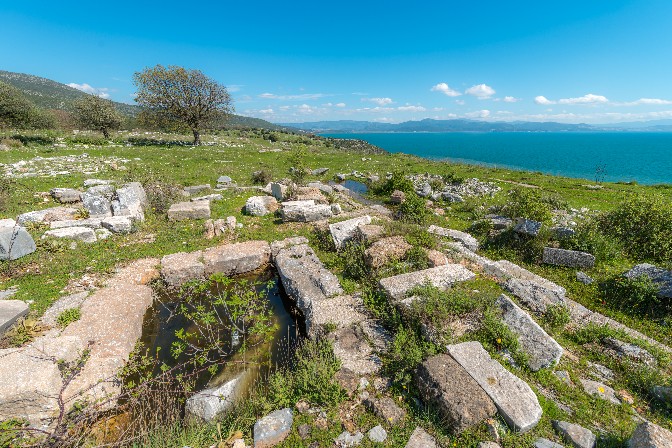 Ancient City of Notion
The port city of Notion is tucked away within the modern-day village of Ahmetbeyli, just 15 kilometers from Colophon. Local villagers call the Acropolis "The Castle," and it stretches beautifully across two hills. Perched high on the western hill, the temple dedicated to the city's chief goddess, Athena Polias, offers a breathtaking, panoramic view of the sea. As you explore, you'll find two ancient gates still standing proud to the west and north. The view from the top is absolutely spectacular, looking out over the sparkling waters toward Samos Island and Kuşadası. The Hellenistic fortification walls are incredibly well-preserved. Walk over to the eastern end to discover the ancient theater, agora, and bouleuterion (council chamber), or head to the western end to find a charming, miniature Temple of Athena nestled right in the middle of a courtyard.
 Ancient City of Colophon
The Hidden Ionian Gem: Colophon Nestled just east of the Değirmendere District, Colophon holds a unique title as the only Ionian settlement built away from the coast. As one of the 12 legendary Ionian cities, it boasted a formidable navy and a famous cavalry unit. Yet, despite its military strength, Colophon endured the scars of countless wars, falling under the rule of Lydian, Persian, and Macedonian empires—even during the chaotic era of sea pirates. The city's fate sealed in 302 BC when it was destroyed by Lysimachus, paving the way for its coastal neighbor, Notion, to rise to prominence.
 Pergamon Acropolis
Inscribed on the UNESCO World Heritage List in 2014, Bergama is a rare gem that has never disappeared from the stage of history. Despite suffering countless invasions and destructions over the centuries, its strategic location ensured it was continuously inhabited. The ancient roots of Pergamon run deep. In the fertile Bakırçay basin, where the city was founded, settlement traces stretch back to prehistoric eras, with the central hill pointing directly to the 7th, 6th, and 5th centuries BC. Even its name carries a legendary weight: formed by the words "Perg" or "Berg," Pergamon literally translates to "castle" or "fortified place."
Bergama Asklepion Open Air Museum
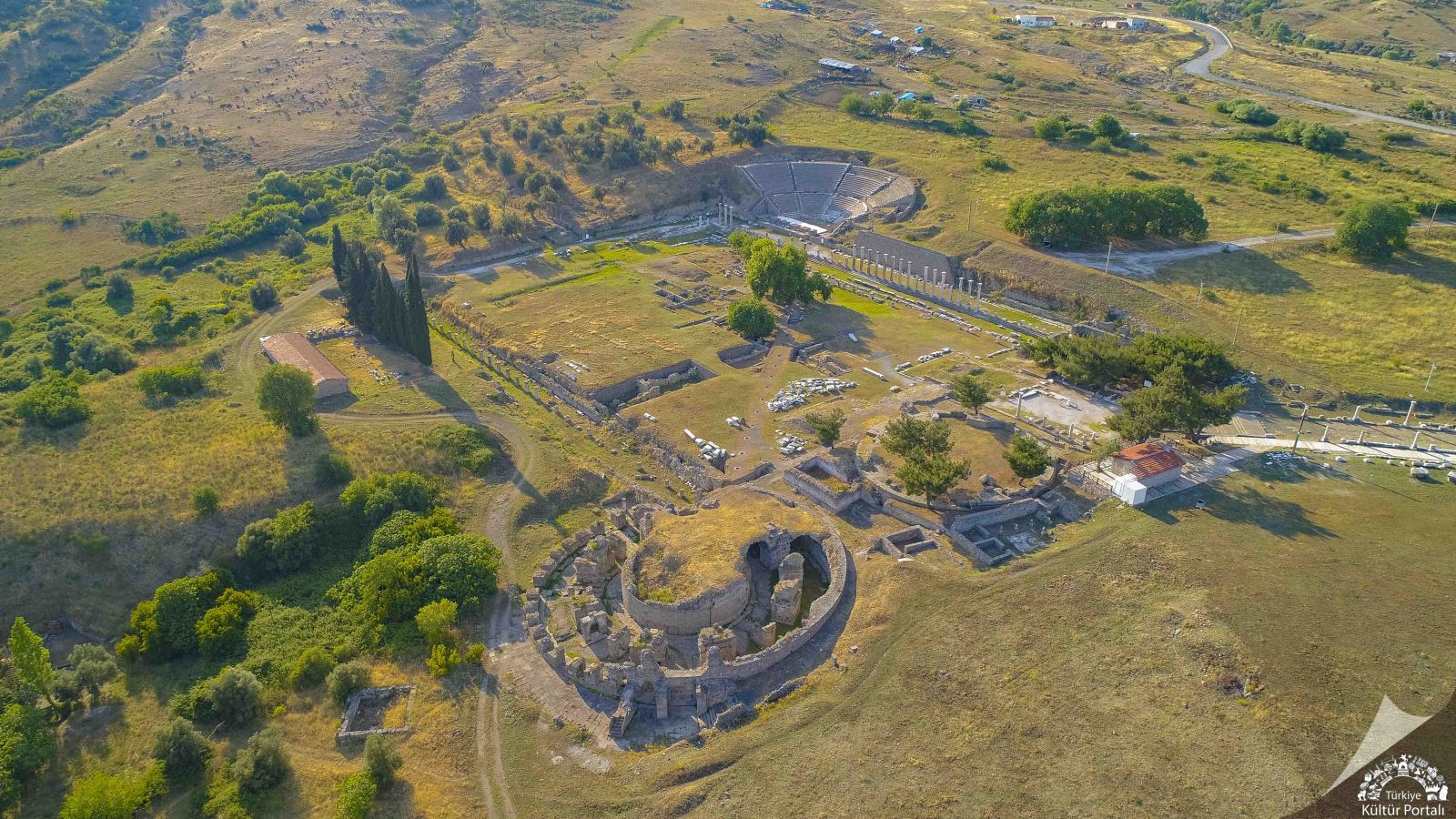
Back in the 4th century BC, a remarkable healing center was established just outside the Pergamon acropolis, dedicated to Asclepius, the god of health. With its advanced architectural design and innovative treatment methods, it rightfully earned the title of Western Anatolia’s most important medical center. Most of the breathtaking ruins you see at the Asclepion today actually date back to the 2nd century AD, following major renovations by the Roman Emperor Hadrian. While the site was revered as a sacred area long before its official founding, its true rise to prominence began in the 4th century BC.
 Red Basilica
Built in the 2nd century AD during the reign of Emperor Hadrian, this majestic structure was likely dedicated to the Egyptian gods Serapis, Harpokrates, and Isis. Sprawling across an impressive 270 x 100 meters—with the main temple alone measuring 60 x 20 meters it stands as one of the most magnificent monumental ruins in ancient Pergamon. Locals call it the 'Red Basilica' (or 'Red Courtyard') because of its massive forecourt and striking red-brick architecture. Later, during the Early Byzantine era, new architectural additions transformed this sacred space into one of the famous Seven Churches of Revelation in Anatolia.
 Yeşilova Mound
Yeşilova Höyüğü is the oldest settled area in İzmir. Before its discovery in 2003, people thought İzmir’s history went back 5,000 years at most. However, incredible finds from the Yeşilova excavations revealed that this city is actually one of the oldest settlements in all of Anatolia! The digs started in 2005 alongside the İzmir Archaeology Museum. Since 2008, they have been running under the leadership of Assoc. Prof. Dr. Zafer Derin, on behalf of the Ministry of Culture and Tourism and Ege University.